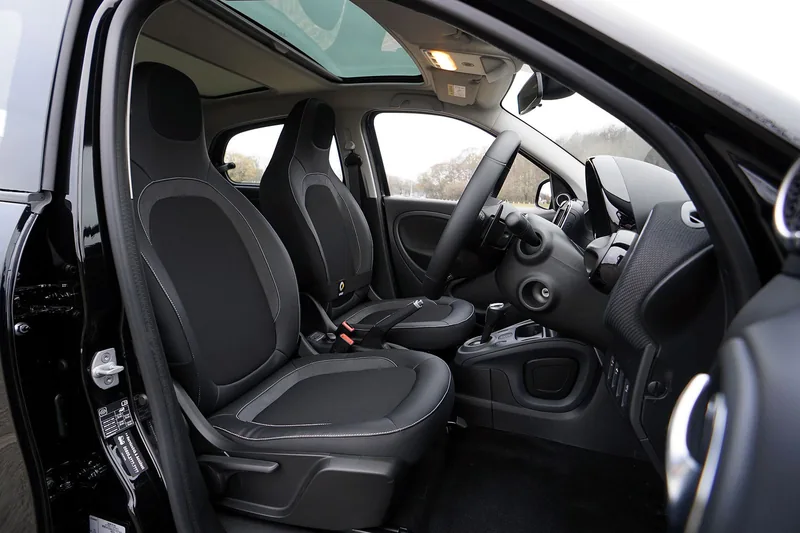
Vehicle Biohazard Cleanup
Vehicle biohazard cleanup for cars, trucks, boats and RVs.
See vehicle biohazard cleanupGet blood, bodily fluids and infectious material cleaned from police cars, ambulances and transport units in Drexel Heights. Vehicle-specific decontamination addresses seats, floors, restraints, equipment contact points, waste, odor and air quality.
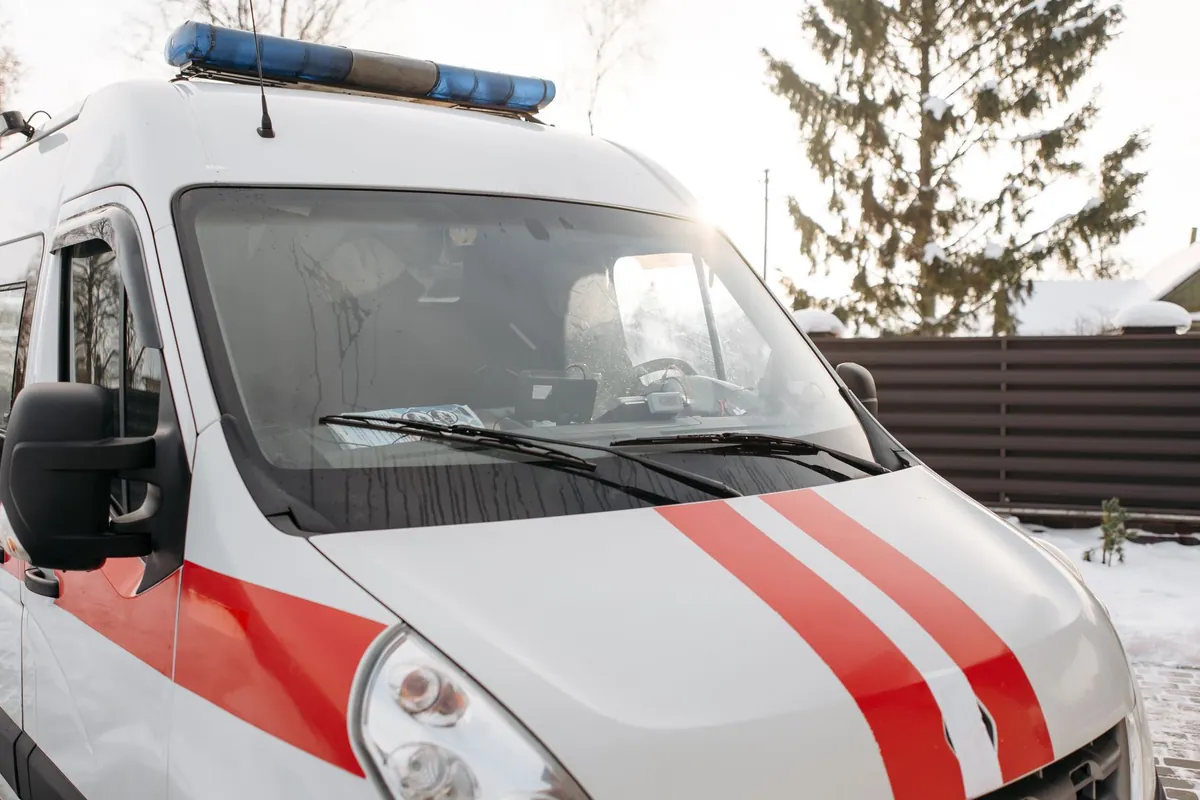
Police and ambulance vehicle decontamination means safely removing infectious material, blood, bodily fluids and associated residue from ambulances, patrol cars and transport units. Cleaning, disinfecting, packaging the waste and completing a final check follow that controlled removal.
Emergency vehicles contain tight seams, seat tracks, restraints, radios, partitions, medical mounts and ventilation openings. Contamination can travel farther than the visible affected area when a person moves through the cabin or when equipment is shifted. Ordinary vehicle detailing focuses on appearance. Biohazard remediation follows the path of the material and considers both visible residue and hidden contact points.
A specific assessment of the unit comes before cleaning. The assessment covers equipment, hard surfaces that can be cleaned and absorbent interior materials that may require a different approach. If contamination inside a material is inaccessible and cannot be disinfected, that material may need to come out. Accessible surfaces are cleaned first and disinfected afterward. Applicable hazardous materials rules guide waste packaging. Documentation across the process can then support the organization's risk, fleet and insurance records.
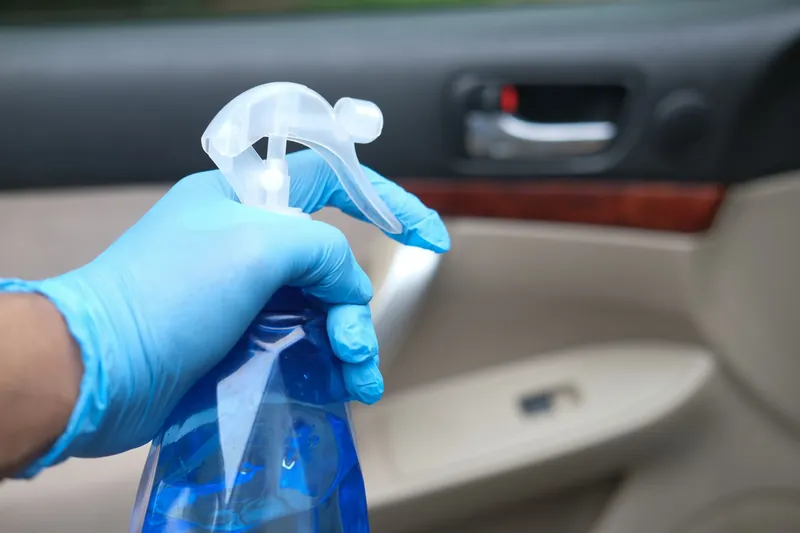
The pre-work discussion can cover materials suitable for cleaning, affected areas, items that may need removal and anything that could change the scope.
Keeping scope details, waste documentation, photographs and item notes organized helps your safety, fleet and insurance contacts move forward.
Before anyone cleans, moves or disposes of an item, your fleet contact can help identify evidence, detachable gear and sensitive equipment.
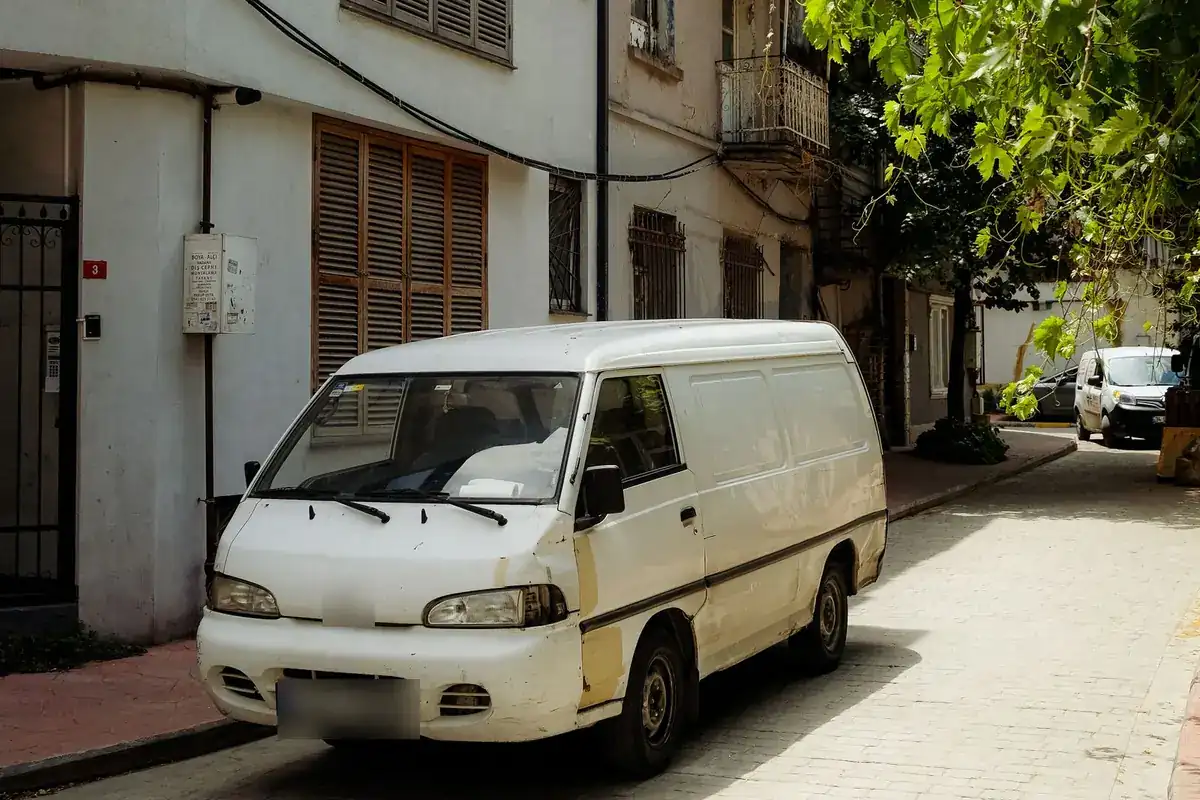
Unmarked vehicles can help you control who approaches the affected unit around your station, garage or fleet lot.
Every situation is different. Specialized cleaning may be needed when contamination cannot be safely resolved through the fleet's routine procedure. A cleanup assessment can address these common conditions:
Blood on a seat, partition, floor or restraint can enter stitching, tracks and gaps that routine wiping does not reach.
Bodily fluids may affect the cot area, cabinets, wall panels, flooring and equipment touched during emergency response.
Shared response vehicles may need rapid isolation and a documented cleaning scope before the next crew can evaluate a return to service.
Biological matter left inside the front or rear cabin after illness, injury, arrest or another event may require attention.
Remove the vehicle from normal operation first, then stop people from entering it unnecessarily. To help protect staff and keep useful details available for cleanup planning, take these actions:
Call (888) 440-9227Published guides do not list a dedicated cost range for police and ambulance vehicle decontamination. The closest published entry is vehicle biohazard cleanup, with a range of $500 to $5,000 per job. Use that range only as an early planning reference. The actual scope depends on the contaminant, cabin materials, hidden spread, equipment, waste and work required before the unit can be evaluated for return to service.
Published national cost guides are the source for these ranges, rather than an inspection of your property. After an on-site assessment, the price for your property is determined and shared with you before cleanup begins.
Ask about cost: (888) 440-9227An ambulance operator, fleet owner, agency or other organization responsible for the vehicle usually makes the cleanup arrangements. Who pays is determined by applicable coverage, contractual terms and internal policy.
Each fire department, ambulance operator, hospital or government agency may set its own fleet, infection control and billing process.
Store photos, the incident reference, item details, approved scope, invoice and waste documentation together for the insurance company or fleet owner.
Authorization, holding location and purchasing paperwork can be confirmed through the department or the person managing its fleet.
Coverage varies according to the policy and what caused the contamination. Because insurance companies may request different records, ask whether cleaning, damaged parts and related downtime are addressed.
Cleanup involves hazard assessment, source removal, detailed cleaning and a documented final inspection. Every step is adjusted for the cabin layout, equipment and material involved.
Technicians assess the reported incident, examine interior and exterior touchpoints and trace visible or potential spread routes.
Based on known hazards, workers choose protective equipment and establish the cleanup area while the isolated unit remains out of service.
Workers may document, remove and package disposable barriers, porous trim and other material whose affected areas are inaccessible.
Visible soil is removed from compatible surfaces before disinfection because residue can keep a disinfectant from reaching the surface.
Cleanable materials receive an appropriate EPA-registered disinfectant and stay visibly wet for all of the contact time on the product label.
Cleaning covers restraints, railings, cabinet pulls, door switches and suitable mounted gear without harming delicate components.
Workers package and separate waste for the proper disposal path, then arrange photographs and scope details for fleet documentation.
Before results go to the unit's responsible contact, the interior is examined for missed touchpoints, remaining material and odor.
Call at any time. A specialist in police and ambulance vehicle decontamination takes your call, explains each step and agrees on a start time with you.
Blood and certain bodily fluids can create serious health risks, as can sharps or contaminated interior components. The risk can affect medical personnel, officers, fleet workers and anyone else who goes inside.
Residue on boots, gloves, radios, door controls or equipment can move beyond the affected area and reach surrounding areas if movement is uncontrolled.
Possible fluid paths include cabinet hardware, seams in seats, channel rails, floor edges and cavities beneath trim pieces. Contamination left behind in these areas can remain after a surface wipe.
Exposure to blood may involve bloodborne pathogens. The CDC reports possible surface survival of at least seven days for hepatitis B, so dry residue still needs careful cleaning and disinfection.
Can you clean it yourself? A fleet may have an approved procedure for a small, known spill on an intact, non-porous surface. Employees should use suitable protective gear, follow that process and keep an EPA-registered disinfectant wet for its complete label contact time. When fluid enters equipment, upholstery, seams or floors, or when the source is unknown or sharps are involved, maintain isolation and get professional cleanup guidance.
Accessible vehicle parts can be kept when they are compatible with the products and can be completely cleaned and disinfected. If affected material is absorbent and contamination has entered below its surface, it may have to be removed.
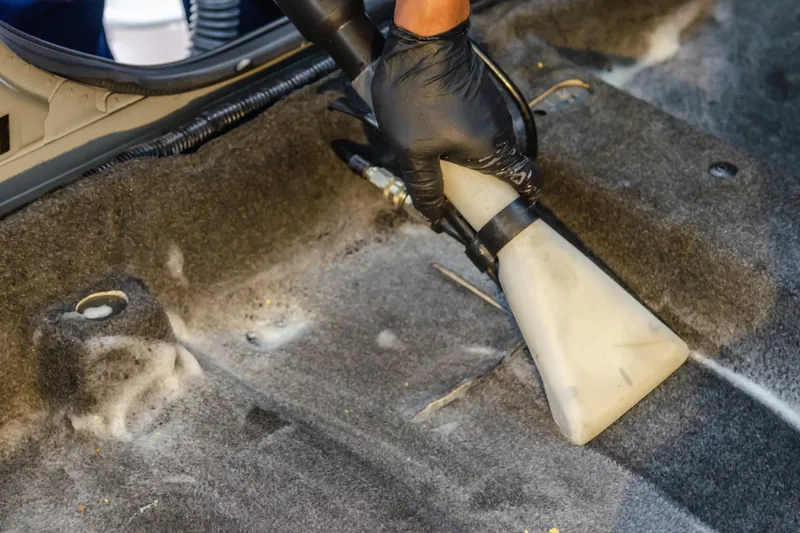
The vehicle must be inspected before anyone can establish its schedule. Work takes less time for a contained event on hard surfaces within reach than for fluid below flooring, around fixed equipment or inside seating.
| Scene | Typical time on site |
|---|---|
| Contained surface contamination | The shorter schedule when the source is known and all affected surfaces are reachable |
| Upholstery, floor or equipment involvement | A longer timeline when access controls, detailed cleaning, selected removal and waste packaging are required |
| Hidden spread or replacement parts | Expect added time when reassembly depends on opening trim or installing a replacement component |
Effective odor removal begins by locating the source and taking it out. A fast spray or added fragrance might cover the smell while residue remains inside seat cushioning, beneath a floor edge or near equipment mounts. Because a warm, closed cabin can intensify an odor from material that was missed, every likely area needs a methodical check.
Once affected material has been taken out and all surfaces have been cleaned, air treatment can be used for lingering odor or particles. HEPA filtration may assist with cleanup, although source removal and disinfection of surfaces are still required. If airflow might have carried effects from the event or odor, vents, air intakes and replaceable cabin filters deserve consideration. Treatments must suit the electronics, medical devices and vehicle finishes near them.
The full police and ambulance vehicle decontamination guide covers what is cleaned or removed, odor and air quality work, and the rules that apply in Pima County, Arizona.
Read the full police and ambulance vehicle decontamination guideLocal housing, population and access details can shape containment, access and cleanup planning.
Only 15.2% of homes in Drexel Heights are renter occupied, so many cleanup decisions may rest directly with resident owners.
A median build year of 1988 means fluids can pass through carpet or seams and affect padding or subfloor below.
The 982 older residents who live alone may rely on family or neighbors to notice when something is wrong at home.
In an area with 75.8% single-family housing, sewage or fluids may reach lower levels through stairs, drains, and utility openings.
Your phone conversation can include questions about service in nearby ZIP codes and communities.
Vehicle biohazard cleanup for cars, trucks, boats and RVs.
See vehicle biohazard cleanup
Walls, carpets, furnishings and hard floors receive blood cleanup, with safe disposal afterward.
See blood cleanup
Blood spill cleanup removes spills of any size, including fresh and dried blood.
See blood spill cleanup
Bodily fluid cleanup removes fluids and disinfects affected areas in businesses, homes and care settings.
See bodily fluid cleanup
Cleanup controls the risk of blood exposure involving HIV, hepatitis C and hepatitis B.
See bloodborne pathogen cleanup
EPA-registered products are applied across all surfaces during infectious disease disinfection.
See infectious disease disinfection
Medical waste removal and disposal through approved treatment facilities.
See medical waste removal
Biohazard waste pickup and disposal in sealed, labeled containers.
See biohazard waste disposalWhether coverage applies depends on the policy, who owns the ambulance and why contamination occurred. The fleet owner should raise cleanup, cabin damage, medical gear and service downtime when asking a risk contact or insurance company what is addressed. Required records can differ, so keep photographs, the incident reference, scope, invoice and disposal records together.
Authorization to do the work comes from the department or vehicle owner. An approved occupational exposure process may apply to a minor incident. Blood in upholstery, floor seams, restraints or hidden areas may need a professional cleanup service with protective equipment, vehicle-specific methods and a documented waste process. The unit should stay out of service until the responsible contact evaluates the result.
Under its own policy, the responsible organization or fleet owner decides when the unit returns to service. Cleanup documentation should list addressed locations, removed materials and components still awaiting repair or replacement. During final inspection, missed touchpoints, odor and visible residue can be checked as the safety or infection control contact assesses the documentation and condition of the unit.
Regular detailing is not equivalent to biohazard cleaning. Although detailing may improve appearance, a detailer might not trace concealed spread, take out absorbent contamination, apply pathogen exposure controls or prepare hazardous waste for disposal. The initial priority is resolving biological contamination. Cosmetic work can follow biohazard cleanup when it leaves any remaining evidence and controls undisturbed.
First remove the ambulance from service, then use the exposure report to guide assessment. Visible soil is cleaned before compatible surfaces are disinfected. Approved equipment surfaces, floors, rails, cot areas, cabinet pulls, restraints and door controls may all be included. Removal may be necessary for damaged or porous material. Reusable medical equipment and waste each follow the appropriate item-specific process.
No separate police car range appears in published cost guides. The closest related vehicle biohazard cleanup range is $500 to $5,000 per job, sourced to the BioCleaners Directory cost guide. Consider the range a general planning guide. Interior surfaces, waste volume, access to equipment, hidden contamination and the size of the affected area shape the actual scope following assessment.
Crews carry out respectful, discreet police and ambulance vehicle decontamination, arrive in unmarked vehicles and take calls 24 hours a day.